Marble, porcelain, quartz, quartzite and granite. Here is what each is commonly used for, along with the main pros, cons and care needs.
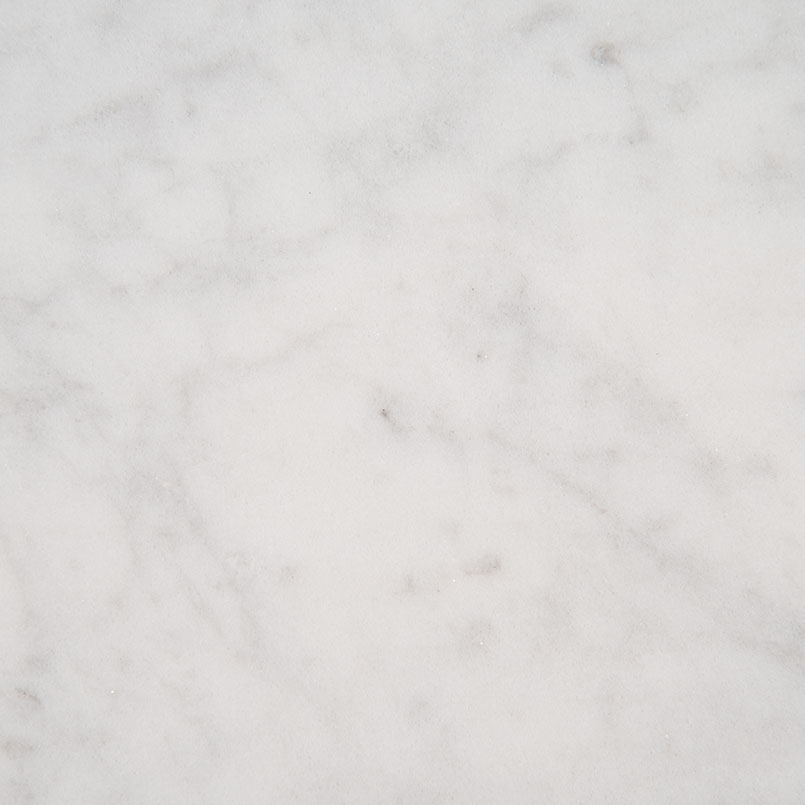
Carrara White · Material sample
Natural stone
Marble
Common uses
Bathroom vanities, shower walls, fireplace surrounds and kitchen counters when you are comfortable with more upkeep.
Pros
Natural veining and a wide choice of finishes. Each slab has its own pattern.
Cons
Lemon, vinegar and other acids can leave dull marks called etching. It can also scratch or stain. Sealing does not prevent etching.
Care
Use a neutral stone cleaner, wipe spills promptly and ask whether your slab needs sealing.
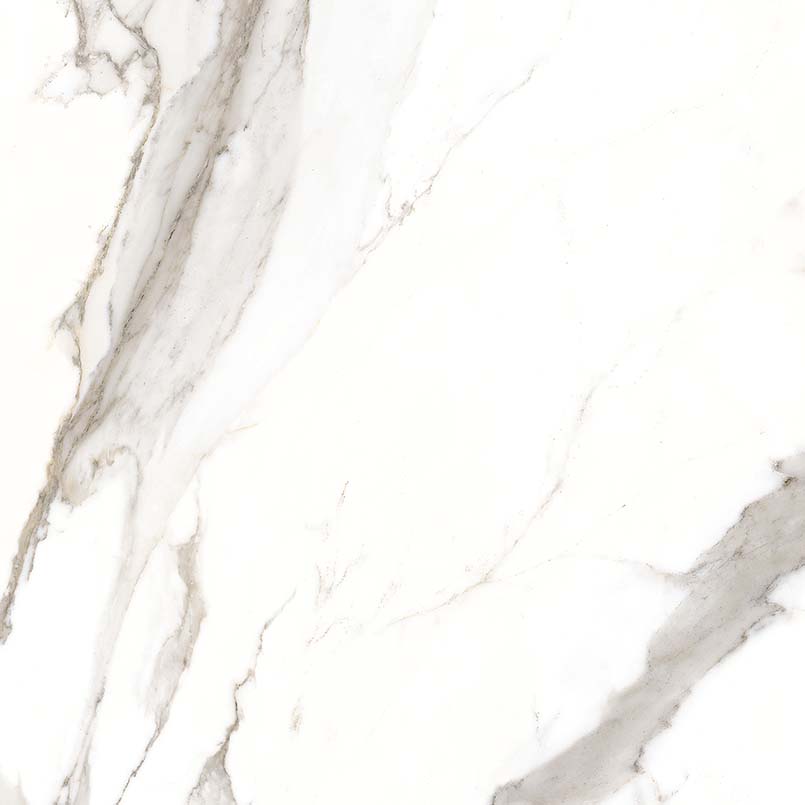
Statuario Bari · Material sample
Manufactured surface
Porcelain slabs
Common uses
Kitchen counters, full height backsplashes, shower walls and outdoor surfaces when approved for that application.
Pros
Low absorption, strong heat resistance and resistance to common food stains. Usually does not need sealing.
Cons
Edges can chip from impact. Patterns may only be on the surface, so exposed edges need planning. Profile options depend on the product and thickness.
Care
Clean with the recommended nonabrasive cleaner. Use trivets and follow the manufacturer’s instructions.
Carrara Marmi · Material sample
Manufactured surface
Quartz
Common uses
Indoor kitchen counters, bathroom vanities and backsplashes.
Pros
Low absorption, stain resistance and simple daily care. Quartz countertops generally do not need sealing.
Cons
Direct heat can damage the surface. Edges can chip and the surface can scratch. Use outdoors only if the specific product is approved.
Care
Use a soft cloth and the manufacturer’s recommended cleaner. Keep hot cookware and heat producing appliances on suitable protection.
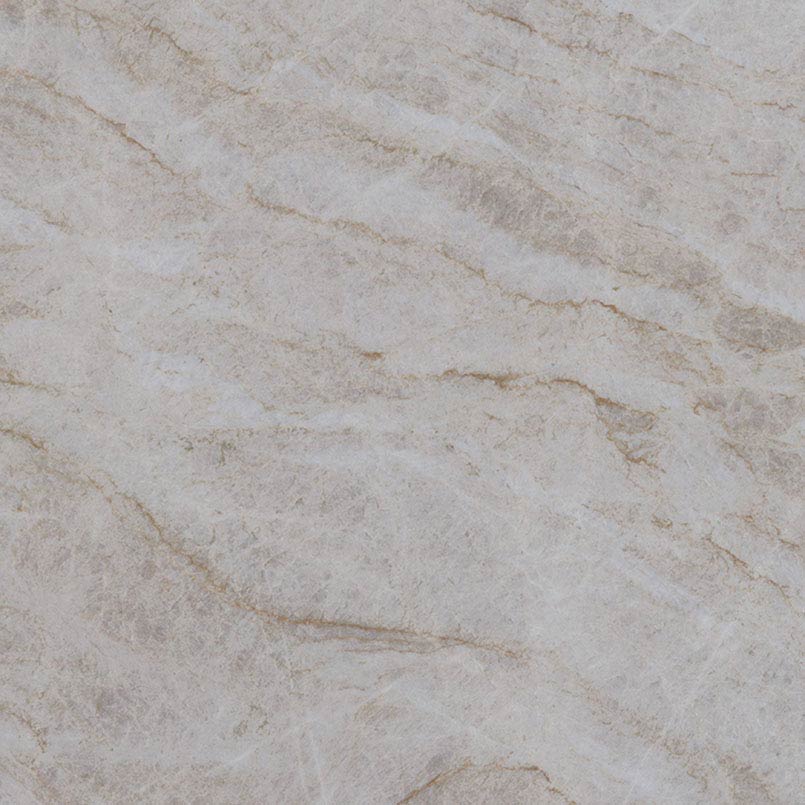
Taj Mahal · Material sample
Natural stone
Quartzite
Common uses
Kitchen counters, islands, bathroom vanities and slab wall features.
Pros
A hard natural surface with varied veining. True quartzite resists scratching and common kitchen acids better than marble.
Cons
Porosity and sealing needs vary. Some stones sold as quartzite are actually marble or other materials, so confirm the exact slab.
Care
Use a gentle stone cleaner, cutting boards and trivets. Ask about sealing and any treatments already applied to the slab.
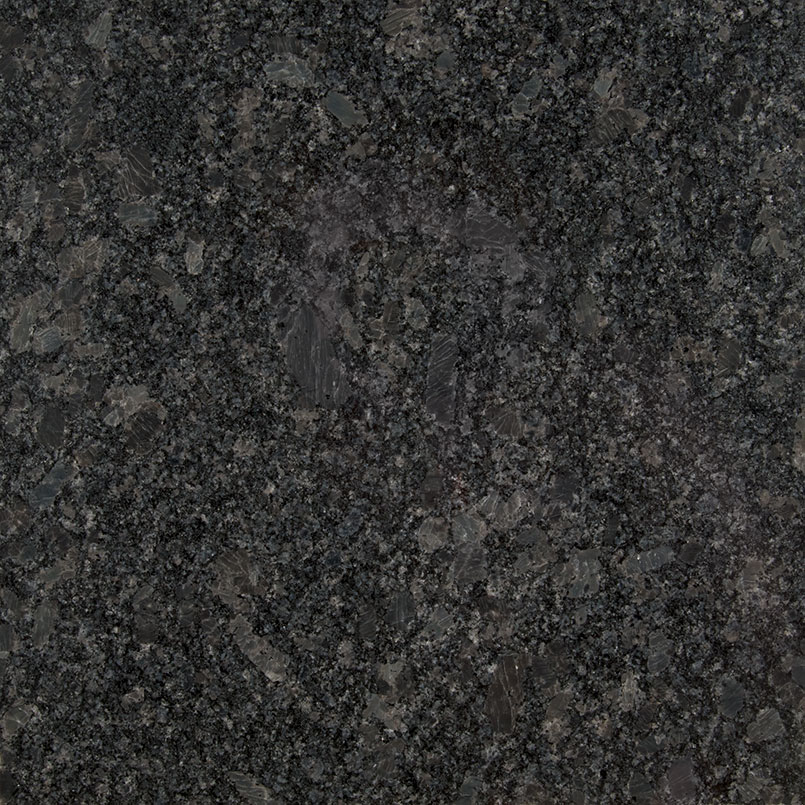
Steel Grey · Material sample
Natural stone
Granite
Common uses
Kitchen counters, islands, bathroom vanities and suitable outdoor counters.
Pros
Generally durable and resistant to everyday wear and many kitchen acids. Available in fine grains, larger crystals and flowing patterns.
Cons
Slabs vary in absorption and appearance. Some need sealing. Hard impacts can chip edges.
Care
Wipe spills, use a neutral stone cleaner and protect the surface with cutting boards and trivets. Confirm sealing needs for your slab.
Photos show material samples. Colors and patterns vary. Confirm the actual slab, finish, thickness and intended use before ordering.
Common questions
Are quartz and quartzite the same?
No. Quartzite is natural stone. Quartz countertops are manufactured using minerals and binders. They have different care needs, especially around heat.
Does sealing prevent stains and etching?
Sealing can reduce absorption and help resist stains. It does not make stone stain proof, and it does not stop acid from etching marble.
Is porcelain the same as tile installation?
This guide covers large porcelain slabs for surfaces such as counters and shower walls. Geo’s service is slab and stonework, not tile installation.
CONTACT
Tell us about your project.
Send your project location, a few photos and the work you need done.